

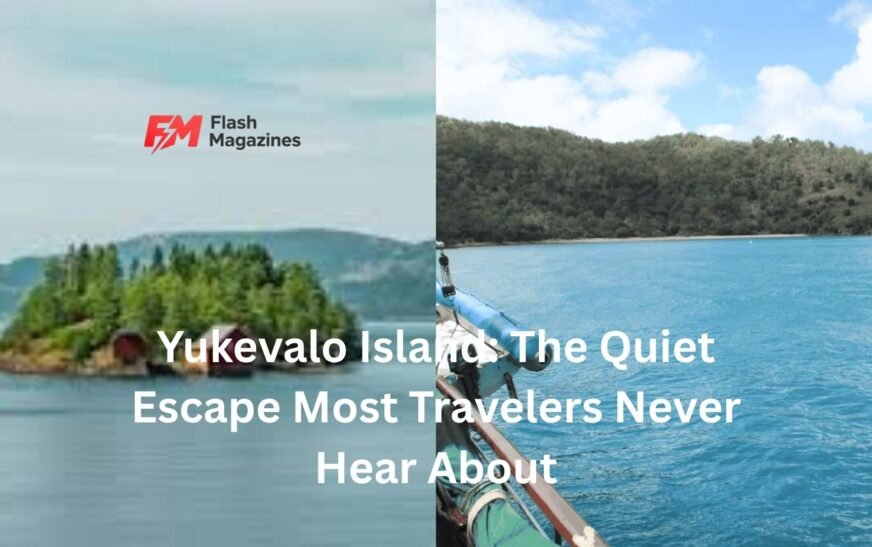
Some places try too hard to impress you. Yukevalo Island doesn’t.
There are no giant beach clubs blasting music until 3 a.m. No endless rows of souvenir shops selling the exact same shell necklace. No giant digital billboards telling you where to eat or what to photograph. That’s probably the first thing people notice when they arrive here. The silence feels real.
Yukevalo Island has the kind of atmosphere that makes you slow down without realizing it. You walk a little slower. You stop checking your phone every five minutes. Even coffee seems to taste different when there’s cold sea air coming off the shoreline and almost no traffic noise in the background.
And honestly, that’s becoming rare.
The First Thing That Stands Out About Yukevalo Island
The landscape doesn’t look overly polished. That’s part of the appeal.
You’ll find rough coastlines, clusters of pine trees bending slightly from years of wind, narrow walking paths, and small wooden buildings that look lived in rather than designed for Instagram. The island feels functional first and beautiful second. Somehow that makes it more beautiful.
A lot of travelers expect island destinations to be tropical and flashy. Yukevalo Island goes in the opposite direction. Think cool air, rocky beaches, quiet harbors, and long sunsets that stretch across the water like someone forgot to turn the lights off.
There’s also this strange sense that time moves differently there.
One visitor described it perfectly while sitting outside a small café near the docks. He said, “I thought I’d stay one night. Then I stopped caring what day it was.”
That sums it up better than any travel brochure could.
It’s Not Built for Tourists — And That Helps
Here’s the thing. Yukevalo Island doesn’t seem desperate for attention.
You can feel it immediately.
Locals go about their day whether visitors are around or not. Fishing boats still leave early in the morning. Small grocery stores close when they close. Restaurants don’t stay open all night just because tourists might wander in late.
At first, some people find that inconvenient. Then they start appreciating it.
The island has boundaries. That creates authenticity almost by accident.
You won’t find giant chain hotels dominating the coastline. Most accommodations are smaller guesthouses, rented cabins, or family-run inns. Some of them are incredibly simple. A few even feel slightly outdated in a charming way. But they fit the island.
And let’s be honest — not every trip needs luxury marble bathrooms and rooftop infinity pools.
Sometimes a creaky wooden cabin with rain hitting the roof all night becomes the thing you remember years later.
Walking Around Feels Better Than Planning
Yukevalo Island rewards people who wander.
That’s probably why overly detailed itineraries don’t work very well there. You can make plans, sure, but the island constantly pulls your attention elsewhere.
You head out intending to visit one part of the coast and suddenly spend an hour watching seabirds circle above the cliffs. You stop for coffee and end up talking to an older local who tells you stories about storms from twenty years ago. You take a “short walk” that somehow turns into an entire afternoon.
The roads and trails encourage curiosity.
Some paths lead to tiny lookout points with weathered benches facing the sea. Others disappear into forest areas where everything smells like damp earth and pine needles. Even the quieter corners of the island feel intentionally left alone.
That’s rare now. Many destinations overdevelop every scenic spot within reach. Yukevalo Island still leaves room for discovery.
The Weather Shapes the Whole Experience
This isn’t the kind of island where every day is perfectly sunny.
Good.
The changing weather is part of what gives the place character.
Fog rolling across the shoreline in the morning makes the harbor feel almost cinematic. Windy afternoons can turn the sea dark gray within minutes. Then suddenly the clouds break and the whole island lights up for an hour before sunset.
People who need constant perfect weather might struggle with that unpredictability. Everyone else usually falls in love with it.
There’s something calming about being somewhere that doesn’t try to entertain you nonstop.
On Yukevalo Island, bad weather doesn’t ruin the experience. Sometimes it becomes the experience.
One traveler mentioned spending an entire rainy evening inside a tiny seaside café drinking soup and listening to locals argue about fishing conditions. No major sightseeing happened. Yet it became her favorite memory from the trip.
That tells you a lot about the island.
Food on Yukevalo Island Feels Honest
The food scene isn’t flashy, but it doesn’t need to be.
Fresh seafood naturally plays a big role. Fish soups, smoked catches, grilled local shellfish — simple meals done properly tend to define the dining experience here. Many places use recipes that haven’t changed much in decades.
You’ll also notice portions often feel practical rather than oversized.
There’s comfort in that.
A warm bowl of chowder after walking windy coastal trails for hours somehow tastes better than expensive tasting menus in crowded cities. Maybe it’s the cold air. Maybe it’s the slower pace. Probably both.
Small bakeries are worth paying attention to too.
Some visitors end up talking more about the bread than the scenery. Fresh dark rye loaves, cinnamon pastries, berry-filled desserts — the kind of food that feels connected to the climate and culture rather than imported trends.
And coffee matters here. A lot.
Even tiny cafés take it seriously.
Why Creative People Tend to Love It
Writers, photographers, painters, and musicians seem unusually drawn to Yukevalo Island.
That’s not surprising.
The island naturally creates space for thinking. There aren’t endless distractions competing for your attention. Silence exists there in a way many people haven’t experienced in years.
You notice small things again.
The sound of water hitting wooden docks. The texture of old fishing nets drying near the harbor. The way evening light changes the color of the rocks along the shoreline.
Creative people often need environments that don’t constantly demand reactions. Yukevalo Island gives them that.
Even travelers who don’t consider themselves artistic usually leave feeling mentally clearer.
A few days without noise can reset your brain more effectively than people expect.
The Best Part Might Be the Evenings
Daytime on Yukevalo Island is beautiful. Evening is when the place really settles into itself.
Everything slows down even further.
Lights begin appearing in harbor windows. Restaurants quiet out. The wind usually softens. People linger longer over dinner because there isn’t much pressure to rush anywhere afterward.
You’ll see couples sitting silently near the water without needing to fill every moment with conversation. That kind of silence is comfortable there.
Some nights feel almost strangely peaceful.
If you stay in a cabin or guesthouse near the coast, chances are you’ll hear little besides waves and occasional wind after dark. For people used to city noise, the first night can feel almost too quiet.
Then suddenly you sleep better than you have in months.
Visiting During Different Seasons Changes Everything
Summer brings longer days and more activity. Trails stay busy, boats move constantly, and outdoor cafés fill up quickly whenever the weather cooperates.
It’s lively by local standards, though still calmer than most tourist destinations.
Autumn might actually be the sweet spot.
The crowds thin out. The air sharpens. Forest colors deepen. The island starts feeling more introspective somehow. Long walks become even better when the temperature drops slightly and the coastline looks moodier.
Winter isn’t for everyone, but people who enjoy isolation often love it most.
Snow, frozen docks, quiet roads, smoke rising from chimneys — Yukevalo Island during winter feels almost suspended outside normal time. You don’t visit for beach weather. You visit because few places feel that still anymore.
Spring carries its own energy too. Everything wakes up slowly. Fishing activity returns. Birds reappear. The island feels less dramatic and more hopeful.
Every season changes its personality.
You Probably Won’t Want to Rush Through It
That’s important to understand before visiting.
Yukevalo Island isn’t ideal for travelers trying to “see everything” quickly. It works better when you leave space for unplanned time. Two people can visit the exact same island and come home with completely different experiences.
One person might spend days hiking coastal paths.
Another might barely leave a small harbor village and still feel completely satisfied.
The island doesn’t demand a checklist approach. It almost rejects it.
And honestly, that’s part of why people return.
Small Challenges Make the Place Better
Not everything about Yukevalo Island is effortless.
Transport schedules may feel limited. Weather can interrupt plans. Internet connections in some areas aren’t always perfect. Certain businesses close earlier than visitors expect.
Oddly enough, these imperfections improve the experience.
Modern travel often removes every inconvenience until destinations start feeling interchangeable. Yukevalo Island still requires slight adjustment from visitors. You adapt to the island instead of the island adapting entirely to you.
That creates stronger memories.
Nobody remembers the perfectly optimized vacation where everything felt identical to home.
People remember the unexpected ferry delay that led to meeting interesting locals. They remember getting caught in coastal rain and finding a tiny café they would’ve otherwise missed.
Yukevalo Island leaves room for those moments.
Why People Keep Talking About It After They Leave
Some destinations impress you immediately and fade from memory just as fast.
Yukevalo Island works differently.
Its appeal tends to grow afterward.
A week later, you suddenly miss the quiet mornings. A month later, city noise starts feeling excessive again. Then you find yourself looking at photos of rocky coastlines and thinking about booking another trip back.
That delayed emotional effect says a lot.
The island doesn’t overwhelm visitors with spectacle. Instead, it slowly gets under their skin.
Maybe that’s because places like this are becoming harder to find. Real quiet. Real slowness. Real atmosphere that isn’t manufactured for social media.
Yukevalo Island still feels discovered rather than packaged.
And for travelers exhausted by crowded destinations trying to monetize every square meter of scenery, that alone makes it worth experiencing.