
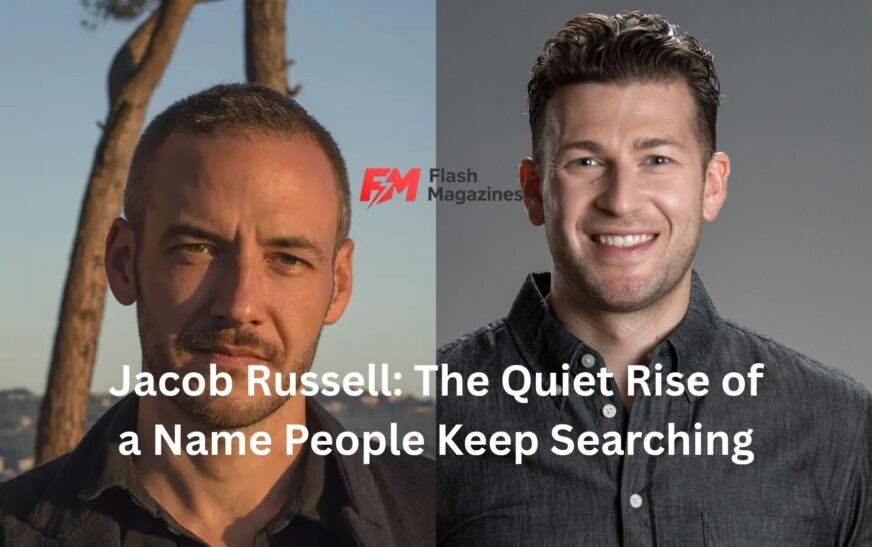
Some names suddenly start showing up everywhere. Not in a loud celebrity way. More like a slow build. A few searches here, a mention there, somebody sharing a clip, a profile, a story. Jacob Russell feels like one of those names.
And honestly, that’s part of the intrigue.
People search for public figures all the time, but there’s a different energy around names that don’t arrive with massive PR campaigns attached to them. They grow through curiosity. One person tells another. Someone stumbles onto a podcast, a sports clip, a social media thread, or a business mention. Before long, more people are asking the same question:
Who exactly is Jacob Russell?
Here’s the thing. Names become memorable for different reasons now. Years ago, somebody needed a television network or newspaper feature to become recognizable. Today, someone can build attention through consistency, niche expertise, or even a single moment that catches online momentum.
That shift matters.
Why Certain Names Stick
There’s something interesting about how modern recognition works. It’s no longer only about fame. It’s about relevance.
Take a random example. A local athlete posts training videos for three years straight. At first, barely anyone watches. Then one clip takes off because it feels authentic. No over-editing. No fake motivation speech. Just someone putting in the work.
People respond to that.
Jacob Russell has the kind of name that feels adaptable to multiple spaces. Sports. Business. Media. Creative work. The internet doesn’t really separate industries anymore anyway. A person can be known in one circle and suddenly cross into another overnight.
And that’s why searches around certain individuals grow fast. Curiosity compounds.
One person Googles a name after hearing it mentioned in conversation. Another sees the same name on LinkedIn or Instagram. A third notices it attached to an interview or article. Soon, search engines start treating the name as something people genuinely want to know more about.
That’s usually the early signal of growing public interest.
The Internet Changed Personal Reputation Forever
Let’s be honest, reputation today is weird.
A person can have thousands of followers and almost no real influence. Another person can have a smaller audience but command enormous respect inside a niche community. The second kind often lasts longer.
That’s probably why audiences are getting better at spotting authenticity. People are tired of polished perfection. They want someone who sounds human.
If Jacob Russell has attracted attention online, part of that likely comes from relatability rather than pure visibility.
Think about the creators, entrepreneurs, athletes, or commentators people actually stick with long term. Most of them aren’t performing every second. They leave room for imperfection. They sound like real people.
You notice this especially in interviews. Someone gives a direct answer instead of media-trained jargon and suddenly viewers pay attention. It feels refreshing because so much online communication sounds manufactured now.
That human factor matters more than many people realize.
Why Audiences Connect With Consistency
One thing that repeatedly separates people who disappear from people who steadily grow is consistency.
Not flashy consistency either. Quiet consistency.
There’s a huge difference.
Anybody can create a burst of attention for a week. Sustaining interest is harder. That usually comes from repeatedly showing up, improving over time, and building credibility piece by piece.
A lot of recognizable names today followed that exact path. Years of mostly unnoticed effort before wider attention arrived.
People often underestimate how long momentum takes.
A musician uploads songs for five years before one gains traction. A writer publishes dozens of articles before readers begin recognizing their voice. An athlete spends years training before clips start circulating online.
The public usually sees the breakthrough moment. They miss the repetition that came before it.
That’s why audiences often respect grounded personalities more than overnight sensations. There’s a sense that the person earned their position gradually.
The Appeal of Low-Drama Public Figures
Another reason people become curious about someone like Jacob Russell is simple: low-drama personalities stand out now.
That sounds backwards because the internet rewards outrage constantly. But long-term interest often gravitates toward people who don’t feel chaotic.
People are exhausted.
Every week there’s another controversy, another fake feud, another viral meltdown. After a while, audiences start appreciating individuals who appear focused rather than performative.
It’s similar to how some podcasts became popular. Not because they were explosive, but because they felt calm and thoughtful compared to the nonstop noise online.
There’s value in that kind of presence.
You see it in professional spaces too. Employers, collaborators, and audiences increasingly notice reliability. Someone who communicates clearly, avoids unnecessary drama, and consistently delivers work becomes memorable for the right reasons.
Oddly enough, stability became distinctive.
Personal Branding Without Looking Like You’re Trying
Now here’s where things get interesting.
The strongest personal brands today often don’t look like branding at all.
That’s the trick.
People immediately sense when every post, interview, or interaction feels overly calculated. It creates distance. Audiences pull back because they feel managed instead of connected.
Meanwhile, someone who shares useful thoughts naturally can build a strong reputation without appearing to chase attention.
That balance is difficult.
A good example is professionals who casually explain their work online. Maybe a developer sharing coding insights. Maybe a coach discussing training mistakes. Maybe an entrepreneur talking honestly about failed ideas instead of pretending every decision was genius.
Those people tend to build trust faster because they sound believable.
If people are increasingly searching for Jacob Russell, chances are there’s some element of that dynamic involved. Audiences rarely stay interested in completely manufactured personalities for long.
Modern Attention Spans Are Brutal
There’s another reality nobody likes talking about: attention online is extremely fragile.
You have seconds. Sometimes less.
People scroll while waiting in line for coffee. They skim articles during lunch breaks. Videos compete against hundreds of others instantly.
So when someone manages to hold public attention consistently, even at a moderate level, it usually means something about them resonates.
Not necessarily in a massive celebrity sense either.
Micro-recognition is becoming more common now. Thousands of people may strongly recognize someone within a specific niche while the general public has never heard of them.
That’s actually powerful.
A respected name inside a focused community can open more meaningful opportunities than shallow mainstream attention. Smaller loyal audiences often matter more than giant passive ones.
Writers know this well. So do podcasters. So do independent creators building direct relationships with their audience.
Sometimes influence is quieter than people expect.
The Human Side People Actually Remember
Here’s something most public figures eventually learn.
People rarely remember polished achievements alone. They remember moments that feel human.
A nervous laugh during an interview. An honest admission about failure. A small story that sounds relatable.
That’s what sticks.
You can see this everywhere. Athletes discussing difficult recovery periods often connect more deeply with audiences than when they’re simply winning. Business owners talking openly about mistakes become more trusted than those pretending success came easily.
Perfection creates distance. Humanity creates connection.
And honestly, audiences are becoming more emotionally intelligent about this stuff. They can usually tell when vulnerability is strategic versus genuine.
That’s why authenticity keeps becoming such a valuable currency online. Not fake authenticity packaged for engagement. Real personality. Real imperfections.
People crave that now.
Search Interest Says More Than People Think
A growing search trend around a person’s name usually reflects something bigger than simple curiosity.
It often signals momentum.
Maybe someone recently appeared in media coverage. Maybe their work started circulating in new spaces. Maybe people are hearing the name repeatedly enough that they finally decide to look it up.
Search behavior reveals cultural interest in real time.
That’s partly why names can suddenly feel familiar even before most people know exactly why. Repetition creates recognition. Recognition creates curiosity.
And once curiosity exists, audiences begin forming impressions quickly.
This is where digital identity becomes incredibly important. One interview clip, one article, one public interaction can shape perception immediately. Fair or unfair, that’s the reality now.
Which means people building long-term credibility usually benefit from being thoughtful about how they communicate publicly.
Not artificial. Just intentional.
What Makes Someone Memorable Today
Years ago, visibility alone could sustain public attention. Today, memorability matters more.
People encounter too much content daily to remember generic personalities.
So what cuts through?
Usually specificity.
Someone with a clear perspective. A recognizable communication style. A consistent tone. A genuine area of expertise. Even subtle things matter, like how a person tells stories or responds under pressure.
Those details create identity.
That’s why some individuals steadily build recognition without relying on controversy or constant self-promotion. They become associated with a particular feeling or style people remember.
Reliable. Smart. Funny. Calm. Insightful. Honest.
Those impressions matter.
And unlike temporary viral attention, they tend to last longer.
The Bigger Picture Around Names Like Jacob Russell
At a certain point, searches around a name stop being only about the individual person. They become part of a larger cultural pattern.
People are looking for grounded voices again.
Not perfect voices. Grounded ones.
The internet spent years rewarding extremes because extremes generate clicks. But many audiences are shifting toward people who feel more real and less performative.
That doesn’t mean quiet personalities always win. Loud personalities still dominate huge portions of online culture. But there’s growing appreciation for people who bring substance instead of nonstop spectacle.
That shift is subtle, but it’s happening.
And it explains why certain names continue gaining attention gradually rather than exploding overnight and disappearing just as fast.
Final Thoughts
Jacob Russell is one of those names that sparks curiosity because it feels connected to something developing rather than something already finished.
People pay attention when someone appears authentic, consistent, and quietly credible. Especially now, when audiences are overloaded with noise.
The interesting part is that modern recognition rarely follows a straight line anymore. A person can spend years building momentum in smaller circles before wider audiences suddenly catch on.
That’s often how lasting reputations form.
Not through one giant moment.
Through steady visibility, genuine connection, and enough consistency that eventually people stop asking, “Who is that?” and start saying, “I’ve heard that name before.”