
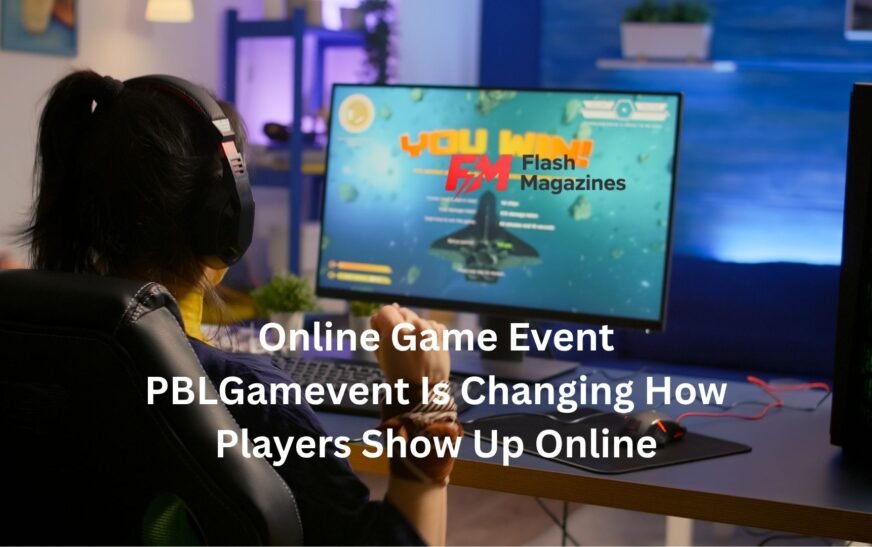
There’s a certain kind of energy that only online game events can create. You log in expecting a few matches, maybe a quick reward grind, and suddenly the whole game feels alive. Friends who disappeared months ago are back online. Global chats move faster than anyone can read. Every lobby feels competitive in a good way.
That’s exactly why people keep talking about the online game event PBLGamevent.
It isn’t just another seasonal update with recycled missions and a flashy banner slapped on top. Players seem genuinely invested in it. Not because they have to be, but because it taps into something online games sometimes forget: people want moments that feel shared.
And honestly, that matters more than most developers realize.
Why PBLGamevent Feels Different
A lot of online events follow the same tired formula now. Limited skins. Daily login rewards. A timer ticking down in the corner. You’ve seen one, you’ve seen fifty.
PBLGamevent stands out because it feels less mechanical.
The event pushes players into active participation instead of passive collecting. You’re not just opening the game for five minutes to claim rewards and leave. There’s actual interaction happening. Team challenges. Community objectives. Competitive rankings that don’t immediately feel impossible for casual players.
That last part matters.
Some online events accidentally turn into full-time jobs. Miss two days and suddenly you’re too far behind to care anymore. PBLGamevent seems to understand that burnout kills excitement fast.
A friend of mine jumped into the event late and still managed to unlock meaningful rewards within a couple evenings. That’s rare. Usually late starters feel punished immediately.
The pacing feels smarter here.
The Social Side Is Carrying the Event
Here’s the thing about online gaming right now: people are craving connection again.
For a while, multiplayer games became oddly isolated. Everyone was technically online together, but nobody really interacted unless they already knew each other. Random matchmaking turned players into silent NPCs.
Events like PBLGamevent shake that up.
Players are sharing strategies again. Small Discord communities are suddenly active. Even random teammates are talking more because event objectives actually encourage coordination instead of lone-wolf grinding.
You notice it especially during limited-time missions.
One squad wipes early. Another player jumps into voice chat and says, “Wait, let’s try rotating left this time.” Suddenly everyone’s communicating. Nobody’s acting like they’re trapped in an awkward elevator.
That kind of atmosphere keeps people playing longer than rewards ever will.
Rewards Matter, But Not in the Way You Think
Of course rewards are part of the appeal. Nobody’s pretending otherwise.
But players aren’t just chasing cosmetics anymore. The psychology around online events has changed. People want rewards that feel connected to experience and memory.
That’s why exclusive event items work best when they carry a story behind them.
A rare skin earned during a chaotic final-night match means something. A title unlocked after completing brutal team objectives becomes part of your gaming identity for a while. Even small things like profile banners can become status symbols if the event itself felt memorable.
PBLGamevent seems to understand this balance pretty well.
The rewards aren’t absurdly hard to get, but they still require participation. You feel like you earned something without feeling manipulated into endless grinding.
That’s a difficult line to walk.
Too easy and nobody cares. Too hard and players quit halfway through.
Timing Plays a Bigger Role Than Most People Notice
Online events live or die by timing.
Launch an event during exam season, major holidays, or right next to a giant game release and player attention disappears fast. Even strong content can flop if people simply don’t have mental space for it.
PBLGamevent landed at a smart moment.
There’s currently a weird gap in the gaming calendar where players are hungry for something fresh but not necessarily ready to commit to another 100-hour game. That makes temporary online events incredibly appealing.
You can jump in, feel involved, enjoy the community buzz, and leave satisfied without rearranging your life.
That flexibility matters more now than it did five years ago.
Gamers are older. Busier. More selective with time.
A well-designed event respects that reality.
Competitive Players and Casual Players Both Have a Place
This is where many online events completely fall apart.
Developers often struggle to balance hardcore and casual audiences. Lean too competitive and newer players get crushed immediately. Make everything too accessible and veteran players lose interest within a day.
PBLGamevent handles the tension surprisingly well.
Competitive players still have leaderboards, advanced challenges, and optimization strategies to chase. At the same time, casual players can log in after work, complete meaningful objectives, and still feel involved in the larger event.
That balance creates healthier matchmaking too.
When only elite players remain active, online events become miserable for everyone else. You end up with one-sided matches and frustrated newcomers wondering why they even bothered.
Right now, the event ecosystem feels broad enough to support different skill levels naturally.
That’s harder to design than people think.
Limited-Time Content Creates Real Urgency
Let’s be honest. Scarcity works.
Not fake scarcity where every item magically returns two weeks later pretending to be “exclusive.” Players see through that immediately.
Real limited-time content changes behavior because it creates shared urgency. Everyone knows the clock is ticking. That pressure generates conversation, strategy sharing, and community momentum.
PBLGamevent benefits heavily from this dynamic.
During the final stretch of major objectives, player activity spikes hard. Suddenly social feeds are full of clips, screenshots, and people asking teammates to log on “just for one more run.”
You can almost feel the event reaching its peak in real time.
That emotional wave is difficult to manufacture artificially. It only happens when enough players genuinely care about participation.
And yes, fear of missing out is part of it. But not always in a toxic way.
Sometimes limited-time experiences become memorable precisely because they end.
The Technical Side Actually Matters
Nobody likes talking about server stability until servers start exploding.
Then suddenly it becomes the only thing anyone talks about.
Online game events put massive pressure on infrastructure. Player counts surge. Matchmaking systems get stressed. Bugs appear in places developers probably never expected.
A smooth launch can quietly elevate an event. A broken launch can destroy player trust overnight.
PBLGamevent has mostly avoided the catastrophic issues that often plague major online events. That alone deserves some credit.
Players are surprisingly forgiving about small glitches if the overall experience remains stable. What frustrates people is inconsistency. Disconnects during ranked matches. Rewards failing to register. Queue times stretching endlessly.
When technical systems hold together, players stay immersed instead of constantly worrying whether the game will crash.
That sounds obvious, but plenty of events still fail at it.
Streaming and Content Creation Are Fueling Momentum
Modern online events don’t exist in isolation anymore.
The actual gameplay matters, sure, but community visibility matters almost as much. Twitch streams, TikTok clips, YouTube highlights — they all amplify excitement beyond the game itself.
PBLGamevent benefits from being highly watchable.
There are enough unpredictable moments, team interactions, and chaotic outcomes to create entertaining clips naturally. That keeps the event circulating online even among people who aren’t actively playing.
One creator posts a clutch comeback. Another uploads a ridiculous strategy that somehow works. Suddenly thousands of players are trying it themselves.
That loop keeps events alive longer.
Older online events often relied entirely on developer marketing. Now communities generate their own momentum when the gameplay supports it.
That’s a healthier ecosystem overall.
Players Remember Atmosphere More Than Features
Ask people about their favorite online gaming memories and they rarely start with mechanics.
They talk about moments.
The night everyone stayed online until 3 a.m. trying to finish an impossible challenge. The random teammate who became a long-term friend. The absurd match where everything went wrong but somehow worked out anyway.
That emotional atmosphere is what separates forgettable events from memorable ones.
PBLGamevent succeeds because it creates opportunities for those moments to happen organically.
Not every match feels scripted. Not every challenge has an obvious solution. There’s enough unpredictability for stories to emerge naturally.
And stories are what players carry with them after the event ends.
Nobody nostalgically remembers “slightly increased XP gains.” They remember shared experiences.
The Event Also Reflects Bigger Gaming Trends
There’s a broader shift happening in online gaming right now.
Players are becoming less loyal to single games forever. Instead, they move between experiences depending on what feels socially active and emotionally rewarding in the moment.
That makes events more important than ever.
A strong event can temporarily revive player communities, attract returning veterans, and pull curious newcomers into the ecosystem simultaneously. In some cases, events become more culturally relevant than the base game itself.
PBLGamevent fits perfectly into that trend.
It understands that modern players want engagement spikes instead of endless obligation. People enjoy feeling part of something temporary and energetic without needing permanent commitment.
Honestly, that approach feels healthier than the old model where games tried to dominate every waking hour of players’ lives.
Why Players Will Probably Keep Coming Back
The real test for any online event isn’t launch day hype.
It’s whether players still talk about it afterward.
Right now, PBLGamevent has that lingering quality. People are discussing strategies, comparing rewards, debating favorite moments, and already wondering what future versions could look like.
That’s usually a good sign.
Successful online events create anticipation for the next experience instead of exhausting the community completely. They leave players satisfied but still curious.
Not empty. Not manipulated. Just engaged.
And maybe that’s the biggest reason this event works.
It remembers that online gaming is supposed to feel exciting first. Rewards, progression systems, rankings — those things matter, but they only matter when the experience underneath them feels alive.
PBLGamevent manages to capture that feeling surprisingly well.
For a lot of players, that’s enough reason to keep logging back in.